
From "Maximum Pressure" to Maximum Concessions, Stop Printing Reports and Start Funding Care, & The AI Debt Illusion

Chaos Is Not Diplomacy: The embarrassing reality of Trump’s rushed Iran deal
What Recovery? It’s a Collapse: The grim truth behind the latest Lancet Study
From the Dot-Com Crash to AI: The eternal return of Washington’s favorite financial con
What I’m Watching: World War II with Tom Hanks
Jukebox Playlist: Touch by John Klemmer
Kareem’s Daily Quote
“I am a reasonable man. I just have a low tolerance for people who aren’t.” Spenser, Robert B. Parker’s detective character
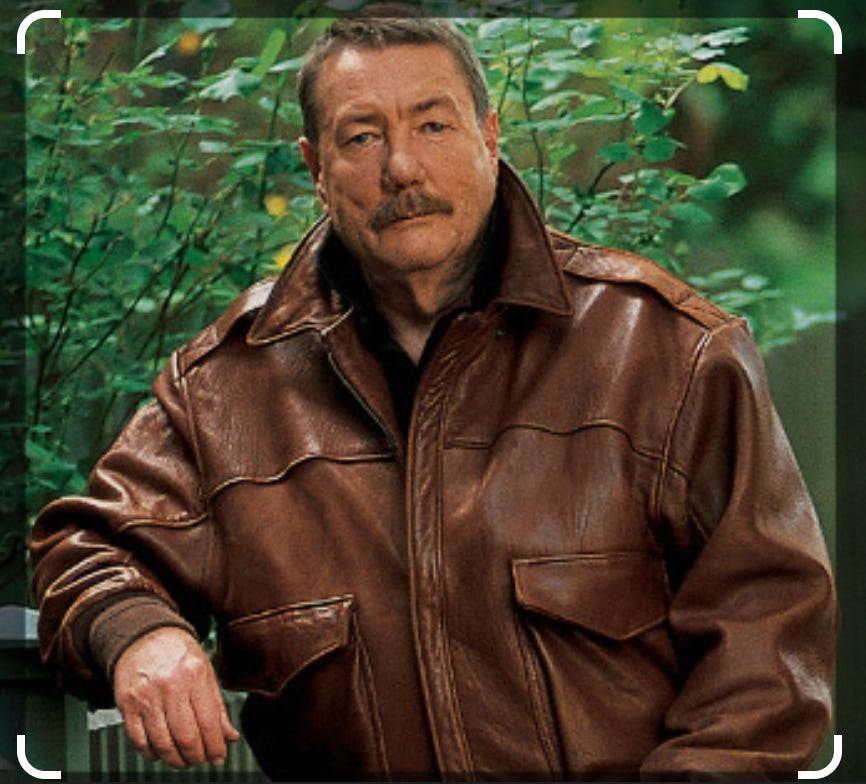
The line is from Robert B. Parker’s famous Boston detective, Spenser, but honestly it’s a sentiment most of us have wanted to tattoo on our foreheads at one point or another.
At first, it’s simply a classic tough-guy wisecrack: punchy, a little arrogant, deeply relatable. But in actuality it hits on a major, frustrating truth about how we interact with each other every day. It’s a flag that sets boundaries in a world that often feels like it’s losing its mind.
Our American culture praises people for being “chill.” Though we’re in no way mellow, we’re nevertheless told to go with the flow, keep the peace, and understand that everyone has their own perspective. For the most part, that’s great advice, if slightly cliché. Being reasonable means you’re willing to compromise. You listen, you weigh the facts, and you accept that you aren’t always the smartest person in the room.
But there is a dangerous trap here: confusing being reasonable with being dormant. When you have a high tolerance for unreasonable behavior, you end up burning your own time and sanity to keep someone else comfortable. You find yourself nodding along to a coworker who’s saying unreasonable things, or playing therapist to a friend who refuses to fix their own predictable problems. Spenser’s quote is a reminder that you don’t have to accept chaos just to prove you’re tolerant.
What makes the quote so brilliant is the contrast between its two sentences. The first half, ”I am a reasonable man,” establishes that you’re willing to play by the rules. You are fair. If someone brings a valid argument or a genuine mistake to the table, you’re ready to meet them halfway.
The second half, ”I just have a low tolerance for people who aren’t,” says you’re actually not “tolerant” at all. You set a boundary. And the moment the other person abandons logic, fairness, or basic respect, the reasonability is over. It’s an acknowledgment that you cannot use reason to change the mind of someone who didn’t use reason to get into their position in the first place. Trying to argue logically with someone who is acting entirely out of spite, unchecked ego, or willful ignorance is like the proverbial dance with a bear. Cutting that interaction short isn’t being rude; it’s deciding that some things are worth the effort and some aren’t.
Now, living this way isn’t always easy. When you develop a low tolerance for unreasonableness, people will occasionally call you difficult, impatient, or cold. I’ve certainly experienced my share of all three. But there’s a big difference between having a low tolerance for unreasonable people and just being a jerk. Jerks dismiss people because they don’t agree with them. A reasonable person with tight boundaries only dismisses people when they refuse to act in good faith.
Ultimately, it’s not selfish to protect your time from the chaotic, the manipulative, and the willfully ignorant. It’s the only way to keep yourself grounded. By refusing to entertain the nonsense, you save your energy for the people, ideas, and problems that actually deserve it.
So the next time you find yourself trapped in an absurd argument or dealing with someone else’s self-inflicted drama, remember Spenser. Take a breath, recognize that you’ve done your part by being fair, and feel completely free to walk away. You’re a reasonable person—and you don’t owe the unreasonable world an apology for that.
